
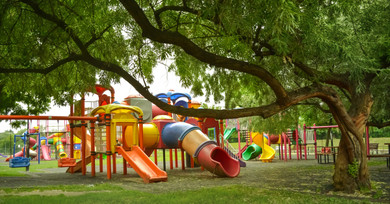
Designing a safe and engaging play space requires more than selecting attractive equipment. Common playground design mistakes often stem from rushed decisions, limited planning, or overlooking long-term needs. Schools, municipalities, and property managers must balance safety, accessibility, and durability while meeting budget goals.
When planners know how to prevent the most common errors, they can avoid costly changes and create spaces that serve communities well. A thoughtful design process leads to playgrounds that encourage activity, support development, and remain functional for years.
Poor Planning and Layout Choices
Playground projects often struggle when planners overlook layout fundamentals. Poor traffic flow, limited sightlines, and cramped play zones reduce safety and usability. Designers should create distinct zones for different age groups, allow clear paths for movement, and position equipment where supervisors can easily monitor activity.
It's important to take accurate site measurements and to consider nearby features such as fences or shade structures. Early planning sessions allow schools and parks to set clear goals and understand how kids will use the space. A well-designed layout improves safety, reduces congestion, and makes play more enjoyable for everyone.
Choosing Equipment Without User Needs in Mind
Selecting equipment based on appearance rather than function leads to underused spaces. Children benefit from age-appropriate challenges that encourage climbing, balancing, and social interaction. Schools and apartment managers also need durable materials that withstand frequent use.
Designers should evaluate how children interact with playground equipment pieces and consider accessibility needs for inclusive play. Aligning equipment choices with user demographics increases engagement and reduces maintenance concerns. Thoughtful selection ensures the playground supports a child’s development and safety and provides long-term value.
Ignoring Safety Surfacing and Spacing Standards
Safety concerns increase when projects fail to meet proper surfacing and spacing requirements. Falls remain a leading cause of playground injuries, making impact-absorbing materials essential. Designers should select surfacing that meets fall-height ratings and local regulations.
Adequate spacing between structures prevents collisions and overcrowding during peak use. Regular inspections help maintain surface depth and condition over time. When schools and municipalities follow safety guidelines, they protect users while reducing liability risks and supporting consistent compliance.
Overlooking Long-Term Maintenance and Upkeep
Design decisions often focus on installation costs while ignoring future maintenance needs. Some materials require frequent repairs or specialized replacement parts. Planners should prioritize weather-resistant components and finishes that handle heavy use.
Having a clear maintenance plan helps staff catch signs of wear before they become safety problems. Partnering with experienced suppliers makes it easier to handle repairs and get support when needed.
Planning for the long term keeps playgrounds running smoothly, saves money, and minimizes disruptions. By choosing durable materials and finishes, you create a playground that stays welcoming and safe for years.
Designing an Active, Accessible Space for Play
Avoiding design errors starts with awareness and proactive planning. These common playground design mistakes highlight the importance of layout strategy, user-focused equipment selection, safety compliance, and maintenance planning.
Schools, parks, and property managers who address these factors early create safer, more engaging play environments. Thoughtful design supports community needs while protecting long-term investments. With the right approach, playgrounds can remain active, accessible, and enjoyable for years to come.