
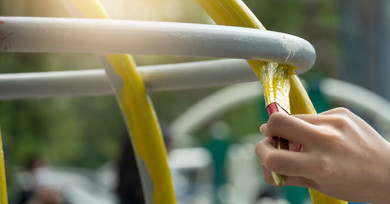
Playground equipment takes a beating from daily use, weather exposure, and the passage of time. As a facility manager or administrator, you’ll want to address any issues quickly while managing your budget wisely. Understanding the basics of DIY playground repairs, including what to know before you start, will help you determine which fixes you can handle in-house and which require professional expertise.
This knowledge protects your investment, ensures child safety, and prevents minor problems from becoming costly emergencies. The right approach depends on your surface type, the severity of the damage, and your team's capabilities.
Assessing Surface-Specific Damage
Different playground surfaces require different repair approaches. For example, rubber tiles often come loose at the edges or develop cracks from temperature changes. You can reglue separated tiles using outdoor adhesive designed for rubber surfaces.
You can easily keep wood chips and engineered wood fiber at the right depth by adding more as needed. Fixing a poured-in-place playground surface can be tricky, since matching the color and texture seamlessly requires special tools and materials.
Synthetic turf can develop worn spots or lifted seams, which are best evaluated by a professional. Always measure the depth of your safety surfacing before starting repairs to confirm it meets ASTM standards.
Simple Repairs You Can Handle
Minor maintenance tasks fall within most facility teams' capabilities. You can keep your playground in good shape without professional help by tightening loose bolts, replacing worn swing seats, and touching up chipped paint.
You can patch small cracks in rubber surfacing using repair kits from suppliers like Discount Playground Supply. Leveling uneven mulch or wood fiber areas takes minimal effort but delivers significant safety benefits. Removing debris from drainage areas prevents water accumulation, which accelerates deterioration.
Keep detailed maintenance logs documenting each repair, the date completed, and any parts replaced. This documentation proves valuable during inspections and helps you track recurring issues that might signal deeper problems.
When To Call The Professionals
Structural concerns, extensive surface damage, and safety-critical components always require professional intervention. Cracked welds, bent posts, unstable foundations, and damaged fall zones exceed the capabilities of DIY.
Professionals have specialized equipment, liability insurance, and expertise in safety standards that protect children and your organization. Large-scale resurfacing projects, equipment replacement, and compliance upgrades demand certified installers who understand ASTM and CPSC guidelines.
Attempting complex repairs yourself may void equipment warranties or create liability issues if injuries occur. Budget for annual professional inspections even if you handle routine maintenance independently. Experts can spot potential hazards that untrained eyes have missed.
Creating Your Maintenance Strategy
Regular inspections catch problems before they escalate into expensive repairs or safety hazards. Walk your playground weekly to look for loose hardware, sharp edges, and surface deterioration. Monthly inspections should include checking all connections, measuring surface depth, and testing moving parts.
You should also stock basic repair supplies so your team can respond immediately to minor issues, and establish relationships with qualified playground contractors before emergencies arise. What to know before you start a DIY playground repair includes recognizing the limits of your expertise. As always, Discount Playground Supply provides the equipment and tools to support both your independent maintenance efforts and your professional repair needs.