
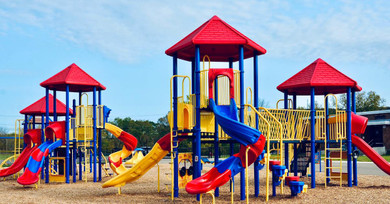
Playground borders are essential components of any outdoor play space, providing surfacing and defining play areas. Understanding the lifespan of different border materials helps facility managers, school administrators, and property owners make informed purchasing decisions. This guide examines how long playground borders last by material type, focusing on two popular options that dominate today's market.
Material selection affects long-term maintenance costs, replacement schedules, and budget planning for your facility. The right choice depends on your specific needs, climate conditions, and expected usage levels.
Both rubber and recycled HDPE borders offer distinct advantages in durability and performance. Schools, parks, and recreational facilities across the country rely on these materials to create safe, attractive play environments that stand the test of time while requiring minimal upkeep.
Understanding Rubber Playground Borders
Rubber playground borders have gained popularity for their flexibility and impact resistance. Manufacturers create these borders from recycled tire rubber, making them an environmentally conscious choice for sustainable facilities.
The material withstands heavy foot traffic and maintains its shape under various weather conditions. Rubber borders typically last between 10 and 15 years when properly installed and maintained.
The material resists cracking in cold temperatures and won't become brittle over time like some alternatives. These borders also help reduce long-term repair needs by protecting surrounding surfaces from shifting, erosion, and repeated impact during daily playground use.
Rubber's natural flexibility allows it to absorb impacts without breaking, which proves particularly valuable in high-traffic play areas. This playground barrier adapts well to uneven terrain and curved installations. Their consistent performance across multiple climate zones makes them a dependable option for schools, parks, and childcare facilities seeking durable, low-maintenance perimeter solutions.
The dark color of rubber borders masks dirt and wear, keeping playground edges looking cleaner between maintenance sessions. Installation crews can cut rubber borders to fit specific dimensions, providing customization options for unique playground layouts and designs. Many facilities choose rubber borders because they simplify layout planning while supporting safe play zones that meet modern safety guidelines and accessibility expectations.
Recycled HDPE Border Longevity

Recycled HDPE (high-density polyethylene) borders are a premium option for playground edging solutions. These borders boast an impressive lifespan of 50 years or more under normal conditions. Their exceptionally long service life makes them a strategic choice for facilities seeking durable infrastructure that won’t require frequent replacement or ongoing material upgrades.
Manufacturers produce HDPE borders from recycled plastic materials, primarily milk jugs and detergent bottles. The material won't rot, splinter, or decompose regardless of moisture exposure. Because the plastic formulation stays stable in wet, dry, and mixed environments, facility managers can rely on HDPE borders even in areas with fluctuating soil or drainage conditions.
HDPE borders maintain their structural integrity through extreme temperature fluctuations, from freezing winters to scorching summers. The material requires zero painting or sealing throughout its lifetime, eliminating recurring maintenance expenses.
HDPE resists insect damage, mold growth, and UV degradation that affects other border materials. Schools and municipalities appreciate the long-term cost savings despite the higher upfront investment. This durability allows organizations to allocate maintenance budgets more efficiently, focusing resources on playground equipment rather than constant border repairs or premature replacements.
The borders come in various colors that remain vibrant for decades without fading. Maintenance teams can clean HDPE borders with simple soap and water, restoring their original appearance with minimal effort.
Factors That Affect Border Lifespan
Several environmental and usage factors determine how long playground borders actually last in real-world conditions. Climate extremes accelerate wear on any material, with intense UV exposure causing the most significant degradation over time.
Installation quality significantly affects longevity. Poorly anchored borders shift and separate, reducing their effective lifespan. Heavy usage patterns in high-traffic playgrounds stress border materials more than occasional recreational use.
Proper drainage around playground borders prevents water pooling that can compromise material integrity. Regular inspections help identify minor issues before they become major problems requiring complete replacement. Consider these key factors when estimating border lifespan:
- Geographic location and climate patterns
- Daily usage volume and peak traffic times
- Proximity to trees and landscaping elements
- Maintenance schedule consistency
- Quality of initial installation
Understanding these variables helps you set realistic expectations for your specific playground environment and usage patterns. By evaluating these conditions early in the planning process, you can choose border materials that align with your long-term performance goals and reduce unexpected maintenance demands.
Maintenance Requirements and Costs
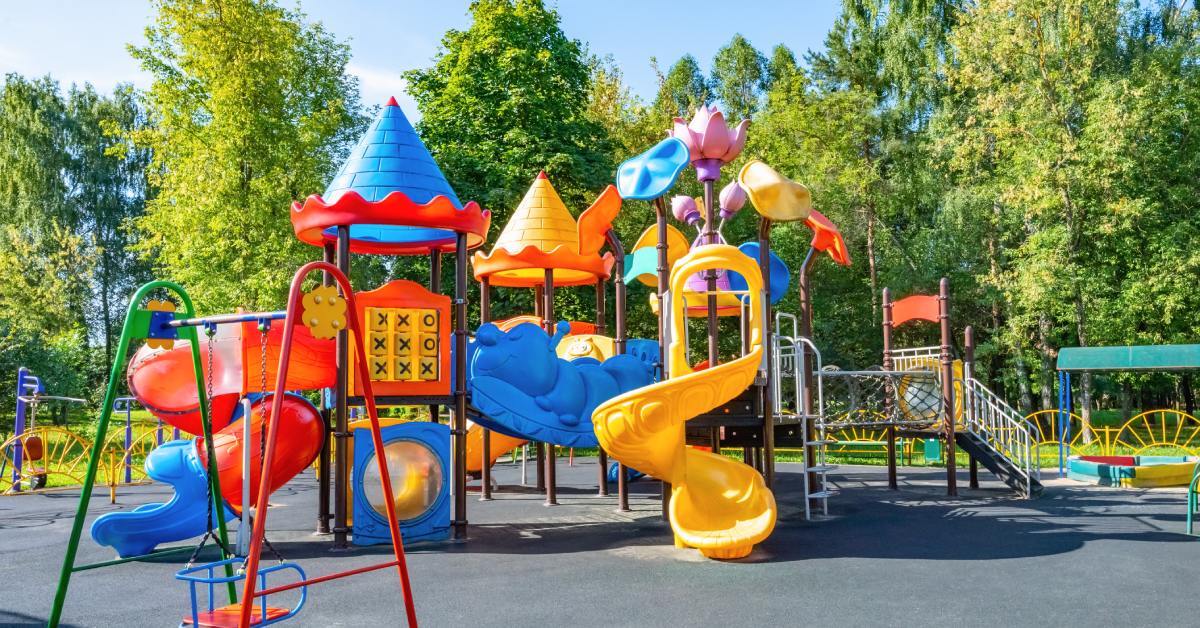
Maintenance demands differ substantially between rubber and recycled HDPE borders throughout their service lives. Rubber borders need periodic cleaning to remove debris and organic matter that accumulates along edges. The material may require occasional repositioning if ground settling occurs around the playground perimeter.
HDPE borders demand minimal attention beyond annual inspections and basic cleaning. Neither material requires chemical treatments, painting, or sealing like traditional wood borders. Budget planners should account for long-term maintenance savings when comparing material costs.
Rubber borders may need to be replaced in high-wear areas before a complete system failure occurs. HDPE's exceptional durability means replacement costs remain negligible for decades after installation.
Labor costs for maintenance are significantly lower with both materials than with wood alternatives. Smart facility managers calculate the total cost of ownership rather than focusing solely on initial purchase prices. The reduced maintenance burden frees up staff time and resources for other facility priorities.
Making the Right Choice for Your Facility
Selecting between rubber and recycled HDPE borders requires careful consideration of your facility's specific needs and constraints. Budget-conscious buyers often choose rubber borders for shorter-term installations or facilities with planned renovations.
Organizations prioritizing sustainability find value in both options due to their recycled content composition. HDPE borders make financial sense for permanent installations where longevity justifies a higher initial investment.
Consider your facility's maintenance capacity and staffing availability when evaluating border options. Both materials provide safe, effective containment for playground surfacing materials while enhancing visual appeal.
Your decision impacts your facility’s budgets, maintenance schedules, and playground safety for years to come. Understanding how long playground borders last by material type empowers you to choose the solution that best serves your community.
Whether you select rubber's affordable flexibility or HDPE's exceptional longevity, quality borders protect your investment and create defined, attractive play spaces. For dependable product options, Discount Playground Supply offers durable borders designed to fit every facility’s needs. Connect with our team to source high-quality materials that keep your play areas safe, stable, and long-lasting.