
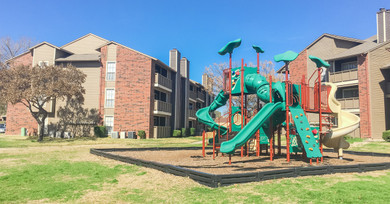
When designing a playground, it’s easy to focus on equipment purchases and overlook the borders, but these boundaries do much more than frame a play area. Proper playground borders are a key defense against water damage and erosion, preserving both the safety and longevity of your play space. Discover how playground borders influence drainage and erosion, creating a safer, more enjoyable environment for everyone.
The Connection Between Borders and Water Management
Water always takes the path of least resistance, which can cause trouble for playgrounds. If there aren’t any barriers in place, rain or irrigation can wash away surfacing materials, leaving uneven spots or bare patches. Borders help guide water away from play areas and keep the protective surfacing right where kids need it most.
Sound border systems send water toward drain points, so it doesn’t end up sitting on the playground. When water pools, it can make the area slippery, damage equipment, and accelerate surface wear. The right borders, combined with proper grading, help manage water and keep the whole play area in better shape.
How Erosion Threatens Playground Safety
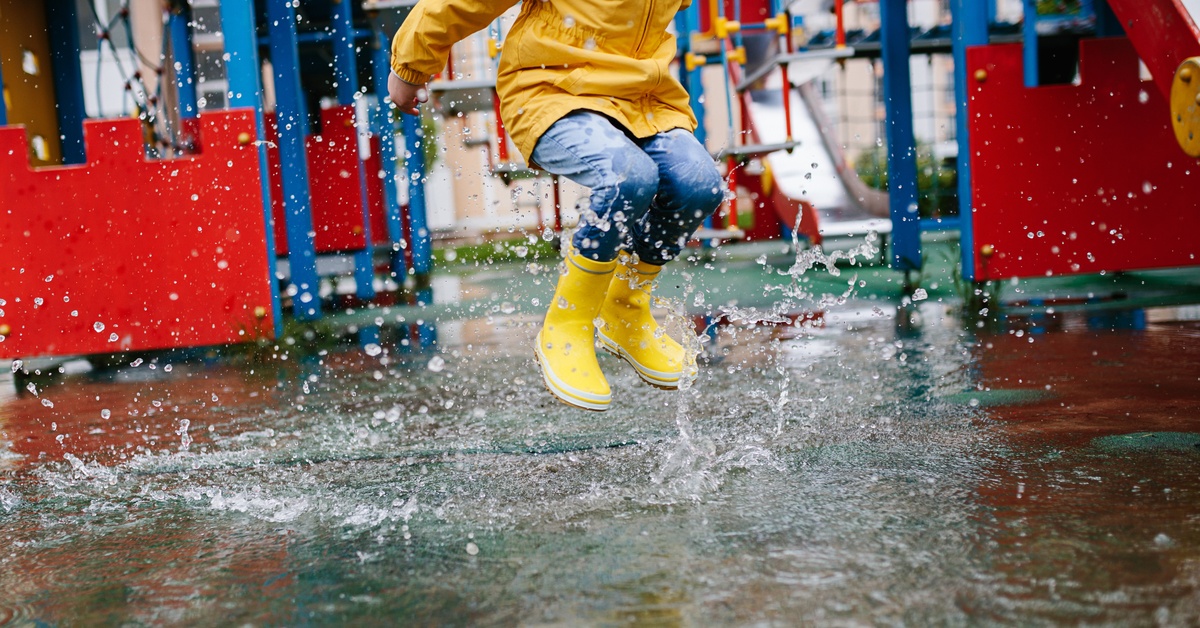
Erosion gradually removes protective surfacing materials that cushion falls and prevent injuries. Rain, wind, and heavy foot traffic combine to displace mulch, sand, or engineered wood fiber from high-impact zones beneath swings and slides. This displacement increases the risk of injury for children who use the equipment.
The financial impact of erosion extends beyond safety concerns. Replacing displaced surfacing materials year after year unnecessarily drains maintenance budgets. Erosion also undermines equipment posts and footer systems, creating stability issues that require expensive repairs. Proper border installation addresses these problems before they compromise playground function.
Selecting Border Materials for Proper Drainage
When choosing playground borders, each material offers different benefits for drainage and erosion control. For instance, many facilities choose a plastic playground border for its flexibility, durability, and ability to allow water to pass through special drainage gaps. Similarly, recycled rubber borders offer flexibility and durability, with the bonus of absorbing impacts along the edges of your play area.
On the other hand, timber borders provide a strong, solid barrier. However, they require regular maintenance to prevent rotting and insect damage. Wood tends to absorb moisture, which can accelerate wear and tear, especially if your playground gets a lot of rain or has poor drainage. Preservatives can help timber last longer, but they also require more maintenance and may introduce chemicals into the soil over time.
If you’re looking for something more permanent, concrete edging is a solid option, especially for playgrounds that see heavy use. You can shape poured concrete to fit curved designs, and it does a great job keeping erosion at bay. Still, it doesn’t flex with the ground like other materials, so it might crack during freeze-thaw cycles, which can impact drainage.
Finally, steel and aluminum borders are both strong and aesthetically appealing. Metal borders can withstand the impacts of lawn equipment and heavy foot traffic. Ultimately, the best choice depends on your site’s needs, your budget, and how much time you can spend on upkeep.
Installation Techniques for Maximum Drainage
Getting the installation right is key if you want your playground borders to do their job. To start, borders should sit level with the ground around them. This helps keep water from sneaking over or under the edge.
It’s also essential to build a sturdy base with compacted gravel or stone. That way, the border stays put, and water can drain away underneath.
Next, think about where the water will go. Adding drainage gaps in the right spots lets water drain out of the play area while keeping the surfacing material in place.
These gaps should direct water toward drains or gentle slopes that naturally carry it away from the playground. Determining the size and placement of the gaps is important, too, since you’ll want to match them to the amount of rain your playground usually gets and the lay of the land.
Grading Requirements for Effective Water Control
Border systems work best when paired with appropriate site grading. The play surface should slope gently away from equipment areas toward the borders, encouraging water to flow outward rather than pooling in high-traffic zones. A minimum slope of two percent ensures adequate drainage without creating trip hazards or uneven play surfaces.
Areas immediately outside the borders should continue sloping away from the playground to carry water toward storm drains or natural drainage features. Reverse grading that directs water back toward the borders creates pressure on the containment system and increases the likelihood of material loss at the surface. This backward flow undermines border stability and forces water to seek alternative escape routes, often washing away valuable safety surfacing in the process.
A professional site assessment identifies potential drainage issues before installation begins. Topographic surveys reveal existing water flow patterns and help designers position borders to work with natural drainage rather than against it. Soil percolation testing determines how quickly water absorbs into the ground, informing decisions about additional drainage requirements.
Maintenance Practices That Preserve Border Function
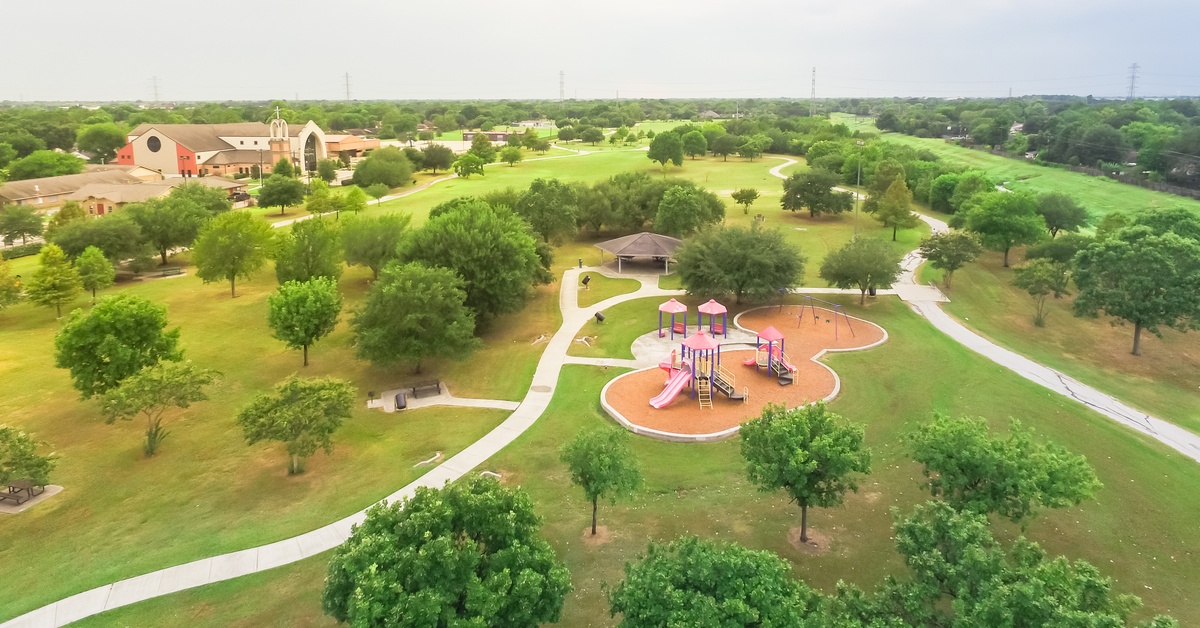
Regular inspection and maintenance keep border systems functioning at peak performance levels. Facility managers should check borders quarterly for signs of:
- Separation or gaps between border sections
- Undermining caused by water erosion beneath borders
- Displacement of surfacing materials near border edges
- Accumulation of debris blocking drainage gaps
- Damage from lawn equipment or vehicle traffic
Taking care of these small problems right away helps you avoid bigger drainage headaches down the road. When you rake loose surfacing material back into place, you maintain the proper amount of coverage for safety. And by clearing away any plants or weeds growing along the borders, you help water drain properly and keep roots from loosening the borders.
Financial Benefits of Sound Border Systems
Spending a little more upfront on good border materials and professional installation really pays off in the long run. When your playground has quality borders, you won’t need to replace surfacing materials as often, which can save you thirty to fifty percent on those costs over a decade. Plus, well-installed borders can last anywhere from fifteen to twenty-five years and need very little maintenance.
By stopping erosion before it starts, you can avoid costly repairs that might close the playground. Maintaining the surfacing at the proper depth also helps prevent injuries and protects those in charge from potential liability. All these benefits make the initial investment in border systems well worth it.
Making Informed Decisions About Playground Borders
How playground borders influence drainage and erosion directly impacts the safety, functionality, and cost-effectiveness of recreational facilities. School administrators, park planners, and property managers who understand these connections make better purchasing decisions and create play environments that serve their communities for decades.
At Discount Playground Supply, our high-quality park and playground equipment includes border systems explicitly designed for erosion control and water management. We’ll help you protect your playground investment and keep children safe while playing.