
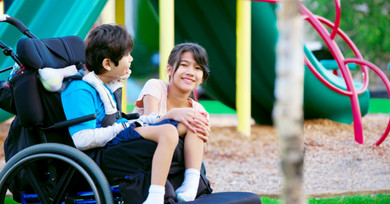
Safe, inclusive play spaces require consistent upkeep. Schools, parks, and municipalities rely on well-maintained equipment to ensure every child can access and enjoy recreational spaces. It’s essential for these institutions to understand how playground repairs improve ADA accessibility.
Over time, wear and damage create barriers that limit usability for individuals with disabilities. Strategic repairs restore a playground’s functionality, improve its safety, and support compliance with accessibility standards. Maintenance teams that address issues early protect users, reduce liability, and extend the life of their playground investment.
Restoring Safe and Stable Surfaces
Accessible playgrounds depend on smooth, stable surfacing that makes it easy for wheelchairs and other mobility devices to get around. Damaged or uneven ground creates hazards and restricts access for children using wheelchairs or walkers. Maintenance teams must repair worn areas to maintain compliance and usability.
Replacing outdated materials with modern options improves both safety and accessibility. For example, pour-in-place rubber surfacing provides a seamless, cushioned surface that supports mobility and reduces fall risk.
Proactive repairs show your commitment to inclusivity and safety. Fixing surfacing issues quickly means kids can play safely and parents can feel at ease.
Repairing Ramps and Entry Points
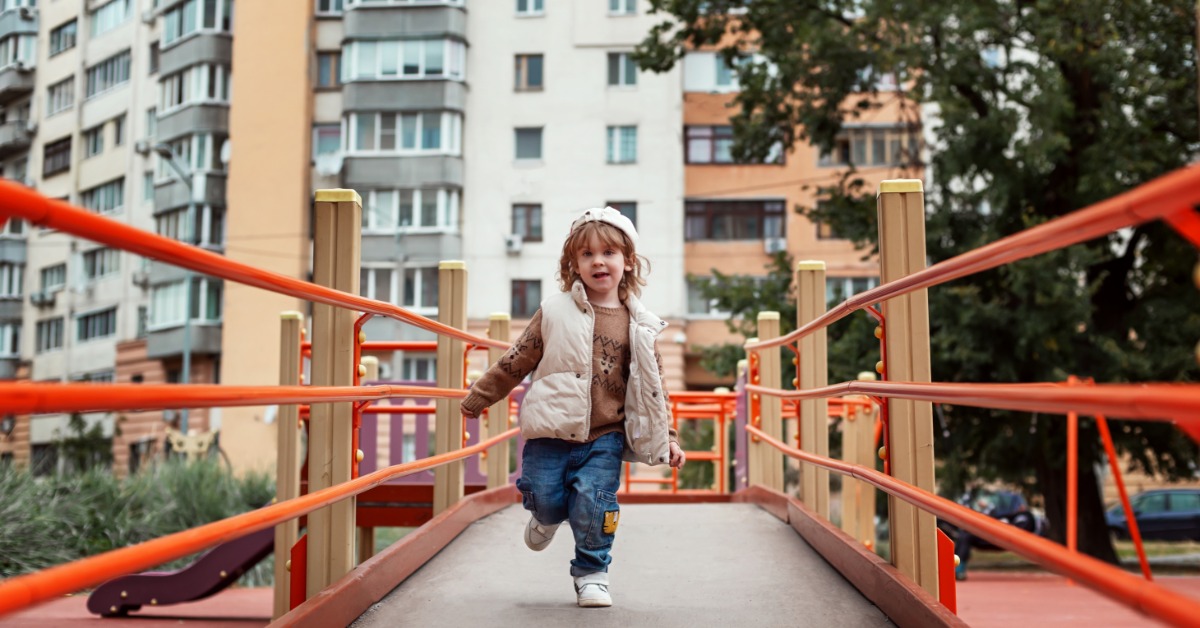
Every child deserves easy access to the playground. When ramps or transfer stations become loose or worn down from heavy use or bad weather, these problems can make it harder, or even unsafe, for kids to join in the fun.
That’s why regular checks for stability and secure connections are important. Fixing damaged ramps and entry points isn’t just about following ADA rules; it ensures everyone can get on and off the playground safely and without fear. Keeping these areas in good shape means all kids can count on easy access to play, every time they visit.
Updating Worn or Inaccessible Components
Every piece of playground equipment should invite all children to join in the fun. When parts are broken or outdated, some kids might miss out, and the whole playground feels less welcoming. Swapping out worn or inaccessible components is a simple way to keep your play space inclusive.
Common updates that improve accessibility include:
- Replacing damaged swing seats with supportive, accessible options.
- Repairing transfer platforms to ensure stable movement between levels.
- Updating handrails and grab bars for better support.
- Fixing loose or missing hardware that affects usability.
These repairs allow children with different needs to play with their peers without worry or fear. Regular maintenance also helps equipment last longer, so the playground stays safe and welcoming for years to come. Thoughtful updates ensure the playground remains an inclusive place.
Maintaining Proper Spacing and Layout
An accessible playground requires giving kids plenty of space to move and explore. Over time, playground borders can shift, surfacing can be displaced, or equipment may move from its original location. When this happens, pathways may become too narrow, or transitions between areas might get bumpy, making it harder for some kids to get around.
It’s important for maintenance teams to regularly check that everything is in its proper place. Realigning borders, securing equipment, and maintaining clear pathways help everyone move safely and easily.
These simple fixes ensure that kids using mobility devices can access every part of the playground. Regularly checking and adjusting the layout also helps prevent small barriers from becoming bigger obstacles. By making these adjustments over time, you’ll keep the playground welcoming and accessible for all.
Reducing Liability Through Timely Repairs
When playgrounds aren’t accessible, safety concerns can quickly arise, increasing liability for schools and municipalities. Damaged surfaces, wobbly equipment, or blocked pathways raise the risk of injury and discourage families from visiting. Tackling these problems quickly keeps the playground safer for everyone and shows families that you value their children’s well-being.
Regular inspections and quick repairs keep playgrounds safe and welcoming for everyone. When maintenance teams focus on accessibility, they help protect kids and the community. Fixing problems early prevents accidents and avoids expensive fixes down the road. Making safety and access top priorities means more families can enjoy the playground day after day.
How Targeted Repairs Boost Longevity and Accessibility
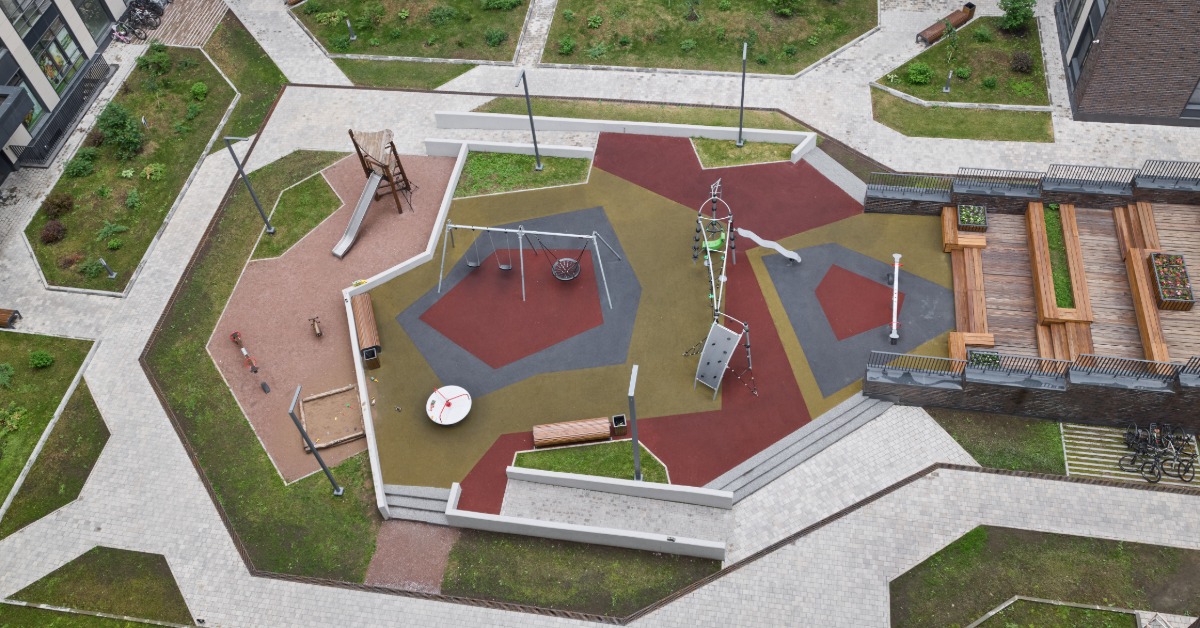
Repair-focused strategies improve accessibility by targeting the areas that most often create barriers. For example, maintenance teams can replace worn surfacing to restore smooth, stable pathways for mobility devices.
They can also repair or upgrade transfer stations, ensuring users can safely move between ground-level and elevated components. Addressing damaged ramps, loose handrails, and uneven entry points helps maintain consistent, reliable access across the entire playground.
Teams often focus on high-impact repairs that deliver immediate improvements:
- Re-leveling or replacing compacted or displaced surfacing.
- Securing or replacing loose playground borders that affect pathways.
- Repairing transfer platforms and step systems for safer movement.
- Replacing worn swing components with accessible seating options.
By prioritizing these targeted repairs, organizations can extend the lifespan of existing equipment while improving accessibility. These updates are ADA-compliant, reduce safety risks, and create a more inclusive play environment without the cost of full replacement.
Common Accessibility Issues Caused by Playground Wear
Every playground takes a beating from daily use and the weather, which can affect accessibility over time. Surfaces may become bumpy, hardware can loosen, and entry points may shift out of place. These small changes make it harder for kids with mobility challenges to join in.
That’s why it’s important for maintenance teams to look out for things like packed-down surfacing, wobbly ramps, or blocked pathways. Catching and fixing these issues early means less expensive repairs down the line and better compliance with accessibility standards. Spotting barriers quickly ensures that everyone has equal access to the playground.
Delivering Safer, More Inclusive Play
Understanding how playground repairs improve ADA accessibility helps organizations create safer, more inclusive play environments without unnecessary replacement costs. When schools, municipalities, and property managers tackle repairs early, they keep playgrounds fun, safe, and accessible for everyone. By fixing worn spots and staying up to code, these teams help more children join in the fun, regardless of ability.
Partner with Discount Playground Supply to find reliable, cost-effective repair solutions that support accessibility and extend the life of your playground. Explore our wide range of replacement parts and maintenance products to keep your play spaces safe, compliant, and ready for every user.