

Every year, playground equipment inevitably faces wear and tear, leaving facility managers and maintenance teams with tough decisions. Will this year’s budget stretch far enough to keep kids safe, meet regulations, and prevent surprise closures?
Budgeting for playground repairs and upgrades is more than a box to check; it’s the key to protecting children and keeping public spaces open. The process starts by identifying your site’s needs, setting safety priorities, and making every dollar count for long-term durability and compliance.
Without a proactive, structured budgeting approach, organizations risk costly emergencies and unexpected downtime. Planning playground repairs and upgrades means fewer last-minute expenses, better safety outcomes, and easier stakeholder approvals. Here’s how to extend the life of existing equipment and demonstrate responsible stewardship of public or institutional funds.
Start With a Detailed Site Assessment
A detailed site assessment is the starting point when determining your financial status. Maintenance teams should inspect every element, from structural components and moving parts to surfacing, borders, and site amenities. They need to document any rust, cracks, loose hardware, worn chains, damaged panels, or surfacing issues. This careful approach ensures that they don’t miss any structural problems.
Taking photographs, measurements, and noting part specifications streamlines future ordering and helps with accurate cost projections. Keeping organized records allows administrators to track playground conditions over time and spot patterns of wear. With reliable condition reports, teams can make informed budgeting decisions rather than relying on estimates.
Thorough site assessments also help distinguish between cosmetic issues and those that affect safety or structure. This distinction allows leaders to allocate funds where they matter most and avoid overspending on less critical items.
Prioritize Safety-Critical Repairs First
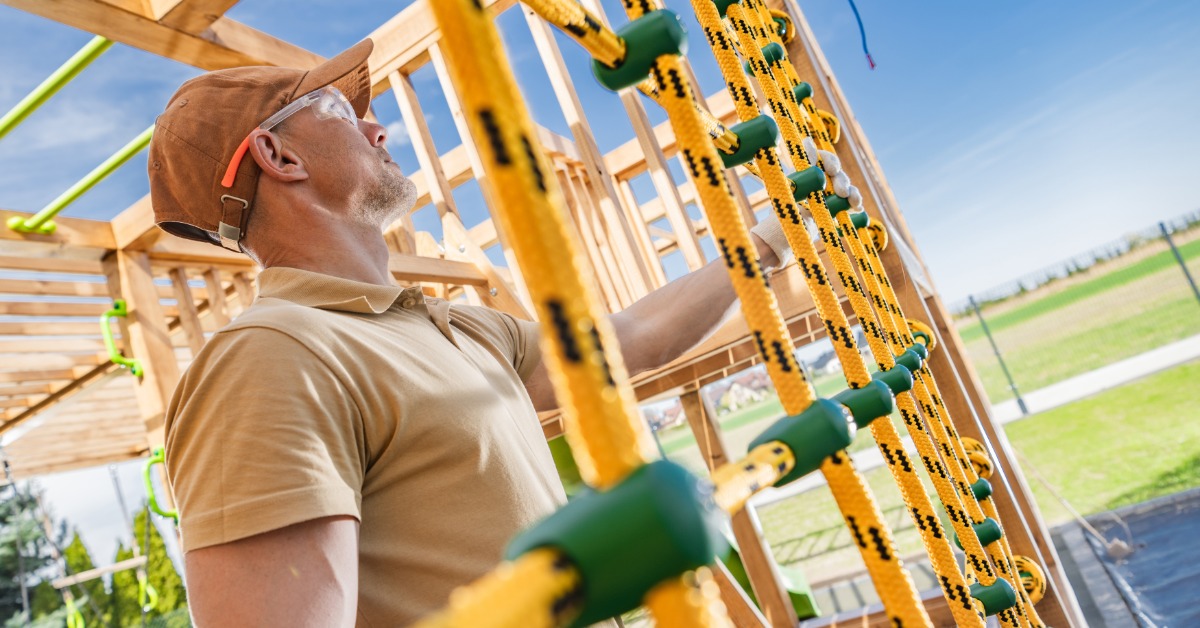
Safety must guide every budgeting decision. Unstable posts, deteriorated surfacing, exposed hardware, and worn swing components increase injury risk and potential liability. Maintenance teams should address these concerns before allocating funds to visual upgrades or expansion projects.
Administrators can rank repairs by urgency, focusing first on hazards that create fall risks or structural instability. This approach protects children and reduces exposure to claims or insurance complications. Addressing high-risk issues promptly keeps playgrounds open and prevents extended downtime.
When safety comes first in budgeting decisions, schools and municipalities can obtain the necessary documentation and demonstrate to their communities that they care about children’s safety and well-being. Good leadership builds trust and shows responsible facility management.
Break Costs Into Repair vs. Upgrade Categories
Separating repairs from upgrades helps make budget planning straightforward. Repairs restore equipment to a safe, working condition, while upgrades enhance the playground's appearance, functionality, or accessibility. By clearly defining these categories, administrators can show exactly how they plan to use the funds when requesting approval.
Common budget line items may include:
- Replacement swing seats and hardware
- Structural post reinforcement or replacement
- Surfacing patch repairs or material replenishment
- Plastic borders or containment edging
- Site amenities such as benches or trash receptacles
This breakdown improves transparency and simplifies financial reporting. It also allows organizations to phase improvements across multiple fiscal cycles. Teams can complete urgent repairs immediately and schedule enhancements when funding becomes available.
Plan for Playground Parts and Accessories
Many aging playgrounds remain structurally sound but require targeted component replacement. Maintenance teams can extend equipment lifespan by investing in playground parts and accessories rather than a full system replacement. This approach preserves capital funds while maintaining safety standards.
High-wear components such as swing chains, hangers, connectors, slides, and climbing elements often require periodic replacement. Budget forecasts should account for these predictable expenses. Anticipating component-level repairs reduces surprise failures and keeps recreational areas operational throughout peak usage seasons.
Proactive part replacement also reduces labor costs associated with larger structural repairs. When teams replace small components early, they prevent additional strain on surrounding equipment. This strategy supports long-term asset management and stabilizes annual maintenance spending.
Account for Surfacing and Accessibility Updates
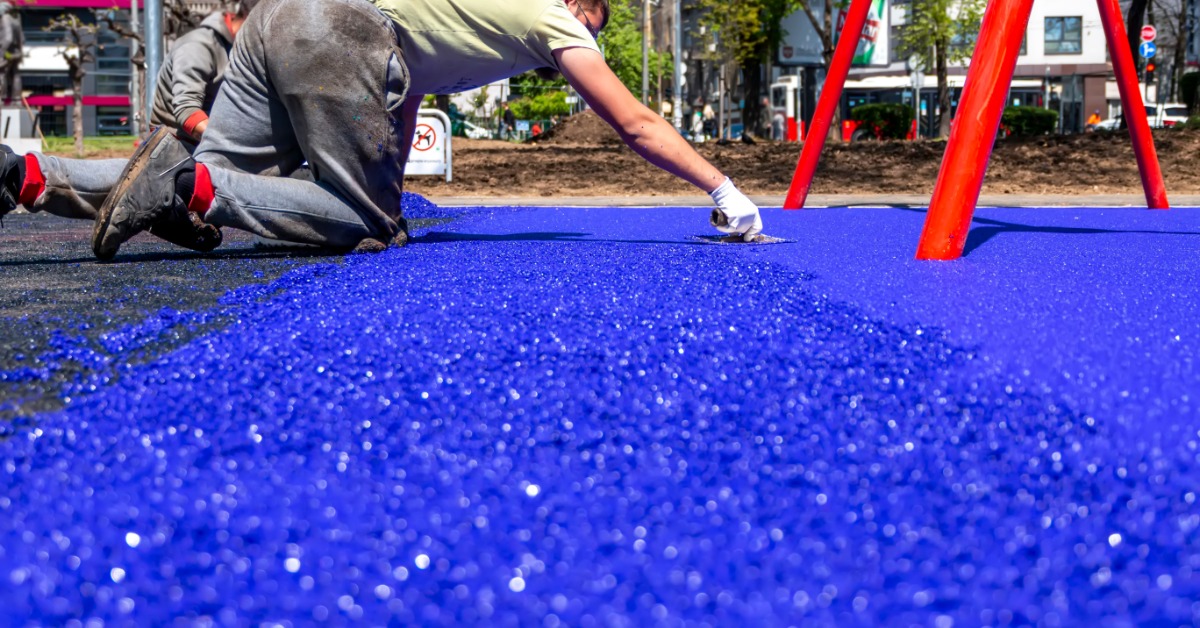
Playground surfacing needs regular care and should always be a priority in your repair budget. Loose-fill materials like wood chips or mulch need to be topped off to maintain the proper depth for fall protection, while rubber surfaces may require patching or seam repairs to remain safe and even. Keeping up with these tasks is essential for meeting safety standards and preventing injuries.
It’s also important to keep accessibility in mind. Budget for updates to pathways, transfer systems, and ramps so that your playground meets current accessibility guidelines, and everyone can enjoy the space. Tackling these improvements gradually helps spread out costs and makes the playground more welcoming for all users.
Don’t overlook site drainage and grading, either. Poor drainage can wear out surfacing much faster and lead to more frequent repairs. By fixing these underlying issues, you’ll protect your investment and save money in the long run.
Build a Reserve Fund for Preventive Maintenance
A detailed budget goes further than covering immediate repairs. Setting aside funds for preventive maintenance gives your team the flexibility to address unexpected issues as soon as they arise. By reserving a portion of your annual budget, you can address issues right away instead of waiting for emergency approvals.
To figure out how much to set aside, look at past repair costs and spot patterns in what needs replacing most often. This data-driven approach makes financial planning more predictable. By funding your reserve consistently each year, you avoid last-minute spending and keep your playground open and accessible.
Having a reserve also lets you schedule repairs during school breaks or seasonal closures, minimizing disruptions and keeping things running smoothly. Prioritizing ongoing maintenance protects your investment and extends the lifespan of your playground equipment.
Strengthen Long-Term Planning With a Structured Approach
Budgeting for playground repairs and upgrades works best when it’s part of an ongoing, thoughtful process. Reviewing your budget each year and keeping clear records helps schools, parks, and municipalities stay ahead of problems rather than reacting to them. Structured planning that balances immediate repairs with future upgrades, grounded in accurate assessments and safety-first priorities, leads to more reliable, cost-effective playground maintenance.
When organizations focus on repairs and regular upkeep, they often avoid the much higher costs of replacing an entire playground. At Discount Playground Supply, we’re here to help maintenance teams with solutions that keep equipment in good shape and stretch every dollar. Our playground components help communities maintain safe, dependable, and welcoming recreational spaces year after year.