
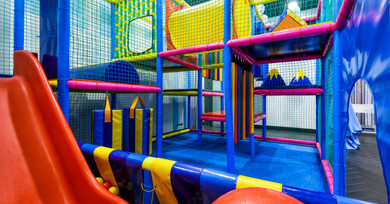
Bringing a playground to life is an exciting challenge that goes far beyond assembling equipment. Whether indoors or outdoors, each installation turns a blank space into a hub of laughter and exploration, but not without overcoming distinct hurdles along the way. Every environment brings its own set of surprises, requiring creative problem-solving and specialized expertise at every step.
Understanding the differences between outdoor vs. indoor playground installation challenges helps you prepare your team, budget appropriately, and ensure a successful project from start to finish. At Discount Playground Supply, we guide our clients through these considerations to deliver safe, engaging play spaces that serve communities for years to come.
Weather and Environmental Factors
Outdoor installations endure constant exposure to the elements, which affects both the installation process and long-term maintenance. Rain, extreme temperatures, and high winds can delay construction timelines and require flexible scheduling. You'll need to select materials that can withstand UV rays, moisture, and temperature fluctuations without degrading or posing a safety hazard.
Indoor installations avoid these concerns entirely, allowing year-round construction schedules and consistent working conditions. However, you'll need to keep an eye on indoor climate and humidity, as too much moisture can damage certain materials. On the plus side, the consistent indoor environment allows for a broader selection of finishes and materials, options that might not hold up as well outdoors.
Space Constraints and Site Preparation
Outdoor playground sites usually give you more space to work with, but getting the ground ready can take a lot of effort. Before installation starts, you’ll need to make sure the area drains well, clear away any plants, and smooth out uneven ground. Testing the soil and putting in a solid foundation are also crucial for supporting heavy equipment.
Indoor playgrounds have to fit within the building’s existing walls, so there’s usually less flexibility with equipment size and layout. The ceiling height is especially important when choosing equipment to install.
It’s also important to check whether the floors can support the equipment or require extra reinforcement. Unlike outdoor sites, which you can sometimes expand, indoor spaces require creative planning to make the most of every inch.
Safety Surfacing Requirements
Safety surfacing choices differ dramatically between indoor and outdoor installations. Outdoor playgrounds commonly use materials such as engineered wood fiber, rubber mulch, or poured-in-place rubber that drain water effectively and withstand weathering. These surfaces require specific depth requirements based on equipment height and fall zones.
Indoor installations typically utilize rubber tiles, foam padding, or carpet systems that provide cushioning without drainage concerns. Installation costs for outdoor surfacing often exceed indoor options due to excavation, border installation, and material volume requirements.
Caring for playground surfaces depends on where you install your equipment. If you have an outdoor playground, you’ll need to top up and check the surfaces regularly since weather and heavy use can wear them down. For indoor spaces, keeping everything clean and replacing tiles when needed helps you create a safe, comfortable spot for kids to play year after year.
Accessibility and Logistics
Transporting equipment to an installation site presents unique challenges, whether in indoor or outdoor environments. Outdoor locations usually provide direct access for large delivery trucks and heavy machinery, such as cranes or forklifts. Installation teams can maneuver freely without damaging interior structures or worrying about doorway dimensions.
Indoor installations require workers to carefully measure all entry points, including doors, hallways, elevators, and stairwells, to ensure equipment fits through existing pathways. Crews often assemble pieces on-site rather than arriving with pre-assembled structures. You'll also need to protect the existing flooring, walls, and fixtures during installation.
Successfully navigating outdoor vs. indoor playground installation challenges means anticipating these logistical requirements early in your planning phase, ensuring smooth execution, and avoiding costly delays or modifications during construction. Upgrade your play space with quality playground components from Discount Playground Supply. Shop now and bring your vision to life!