
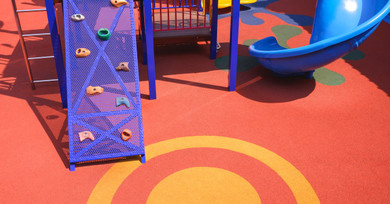
Rubber playground flooring provides excellent safety for children, but most property managers don't understand the foundation beneath the colorful surface. The science of base layers in rubber playground floors reveals how proper installation starts underground. The base layer creates stability, manages drainage, and extends the lifespan of your investment.
Understanding these technical elements helps facility managers make informed decisions about playground surfacing projects. Professional installers know that shortcuts in base preparation lead to premature wear, poor drainage, and safety concerns. Schools, parks, and residential communities benefit from learning what separates a mediocre installation from an exceptional one.
Why Base Layer Composition Matters
The base layer serves as the structural foundation for all rubber playground surfaces. Installers typically use crushed stone, gravel, or specialized aggregate materials that compact firmly while allowing water penetration. These materials create a stable platform that prevents settling, shifting, and surface deformation over time.
The thickness and composition vary based on soil conditions, climate, and expected usage levels. Clay-heavy soils require deeper base layers with enhanced drainage, while sandy soils need shallower depths but benefit from stabilization additives. Proper base preparation prevents costly repairs and extends surface life for several years.
Drainage Engineering Prevents Water Damage
Water management separates successful playground installations from problematic ones. The base layer must channel water away from the surface to prevent pooling, ice formation, and material degradation. Engineers design proper slopes, typically with a grade of 1 to 2 percent, to direct water toward designated drainage points.
A poured-in-place playground surface relies on permeable base materials that allow water to pass through rather than collect underneath. French drains, catch basins, and perforated pipes enhance drainage in areas with heavy rainfall or poor natural drainage. Standing water compromises rubber bonding, encourages mold growth, and creates slip hazards.
Installation Standards and Long-Term Performance
Professional installation teams follow industry standards established by organizations like ASTM International and the International Play Equipment Manufacturers Association. These guidelines specify compaction rates, material grades, and layer thicknesses that ensure consistent performance.
Proper compaction typically requires mechanical plate compactors or vibratory rollers that achieve 95 percent density. Skipping compaction steps results in settling that creates tripping hazards and surface irregularities within months. Regular inspections help facility managers identify drainage issues, erosion, or settlement problems before they compromise the rubber surface above.
Building Safety From the Ground Up
The science of base layers in rubber playground floors demonstrates that surface beauty depends on the hidden infrastructure beneath it. Discount Playground Supply understands that proper base preparation protects your investment and ensures year-round safe play. Contact our team to discuss base layer requirements for your specific site conditions and usage patterns.