

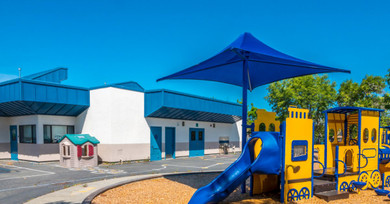
Every playground manager eventually reaches the same crossroads: fix the border or replace it entirely? That question is exactly what our playground border guide is designed to answer.
Playground borders play a crucial role in both safety and maintenance by keeping the playground organized and safe for everyone who uses it. When a border deteriorates, the rest of the system and equipment quickly follow. A thorough inspection will tell you whether a targeted repair or a full replacement is the right path forward.
More Than an Edge: How Borders Protect Your Play Space
Borders, sometimes called playground edging or perimeter timbers, contain the loose-fill surfacing that cushions a fall. Whether you use rubber mulch or engineered wood fiber, that material needs a defined perimeter to stay within the fall zone. Without a reliable border, surfacing migrates beyond the designated area, and the protective depth drops below the level your equipment height requires.
A strong border system holds its shape through repeated weather cycles and the lateral pressure of children running near the perimeter. It also prevents surfacing from spreading onto adjacent pathways, grass, or hardscape areas that fall outside the play zone.
The moment gaps or soft spots appear, surfacing material escapes, and your fall zone coverage suffers. What looks like a minor border issue on the surface can quietly create a safety gap that inspectors and parents will notice long before you do.
Surfacing Depth and Compliance
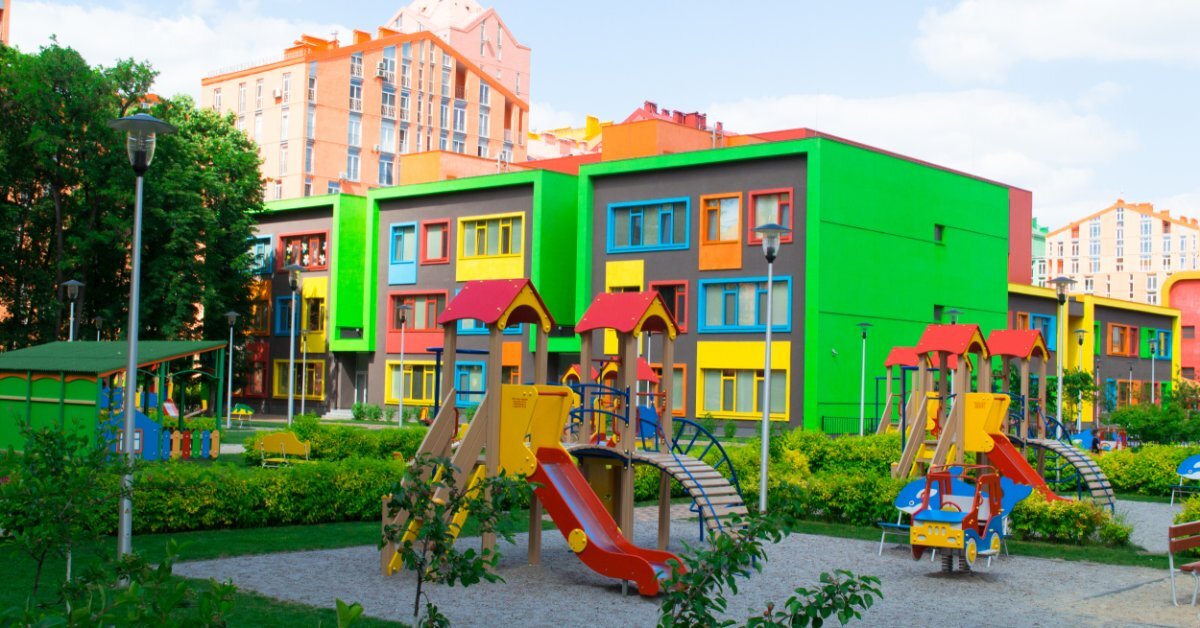
ASTM standards and CPSC guidelines both set minimum surfacing depths based on equipment height. A border that fails to contain material puts your facility out of compliance. Misaligned sections and rotted timbers allow surfacing to bleed out, which adds restocking costs on top of whatever repair work the border needs.
Keeping the border tight maintains accurate depth and reliable coverage. It also keeps your documentation clean when inspection time arrives. This simple step helps avoid costly corrections after an inspection.
Warning Signs That Demand Your Attention
Catching border problems early reduces costs and limits liability exposure. A consistent inspection schedule is the best tool you have, and a simple walk around the perimeter reveals most issues before they escalate. Train your staff to treat the border as part of the equipment check, not an afterthought.
Watch for these specific indicators during your next inspection:
- Visible gaps between border sections where pieces no longer meet flush
- Timbers or boards that have shifted out of their original alignment
- Soft spots or visible rot in wood borders that compress under pressure
- Frost heave damage where freeze-thaw cycles have pushed sections out of the ground
- Surfacing material that has migrated well beyond the border's edge
- Missing or corroded hardware, including spikes and corner fasteners that no longer hold sections in place
- Standing water that pools inside the border zone after rain
Any single item on this list warrants attention. Several of them appearing together signal that the border may have reached the end of its service life. Prompt action at this stage can prevent more costly repairs and reduce safety risks.
What Seasonal Inspections Should Cover
Schedule inspections at the start and end of each season, with additional checks after major weather events. Look beyond surface appearance and test for structural integrity. Push against timber sections to check for movement. Probe wood borders with a screwdriver to identify hidden rot beneath an otherwise intact surface.
Check every connection point, including spikes and corner fasteners. Weather cycling, ground freeze, and sustained moisture all compromise border materials in ways that stay hidden until the damage has spread significantly.
Keeping a written record of each inspection also provides a paper trail that demonstrates due diligence if a safety concern arises. Detailed documentation can also help identify recurring issues and guide future maintenance decisions.
How to Decide Between Repair and Full Replacement
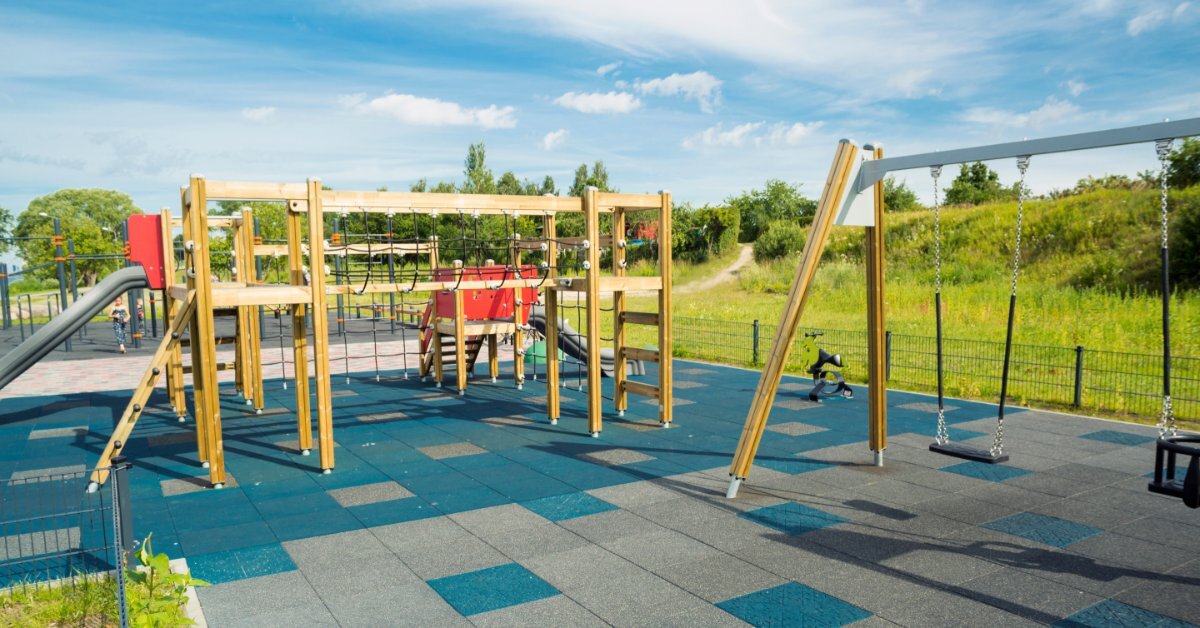
The decision between repair and replacement hinges on how far the damage has spread and what material you're currently working with. A single failed section in an otherwise sound border is a repair. A border that shows widespread deterioration across multiple sections is a candidate for replacement. Cost matters too, but durability and long-term performance should drive the decision more than the upfront price tag.
Making the Right Call for Your Budget and Timeline
Repair works well when damage is isolated, and the surrounding structure is still sound. A single rotted timber or a shifted corner section that resets without disturbing adjacent segments, that's the kind of targeted fix that extends a border's service life without the cost of full replacement. Use compatible materials to avoid introducing new weak points into the system. A mismatched repair often fails faster than the original damage.
Replacement makes more financial sense when repairs have become recurring, or when the border has exceeded 10 to 15 years of service. It also gives you the opportunity to upgrade. If your current setup uses untreated wood, switching to a rubber playground barrier or a composite option extends your maintenance cycle and significantly reduces ongoing upkeep. These materials resist rot year-round and reduce seasonal maintenance.
If you move forward with a replacement, double-check that your fall zone dimensions fit your current equipment height and that your surfacing depth meets today’s safety standards. Swapping out the border gives you a convenient chance to look over the entire surfacing system and update everything at once, so your playground stays up to code and ready for use.
The Right Border Keeps Everything and Everyone Above It Safe
Our guide to repairing and replacing your playground border is here to help you tackle one of the most important choices you’ll face as a playground manager. Keeping your border in good shape means your surfacing stays where it belongs, and your playground stays safe and compliant.
If you spot damage early, making quick repairs and documenting these changes can help you preserve the quality of your investment. But when the playground barrier is worn out, it’s smart to find a replacement that suits your climate, traffic, and maintenance needs.
The ground beneath your playground equipment truly supports everything above it, so choosing a reliable border is a decision that pays off for years. Discount Playground Supply has the border systems and surfacing materials to help you build a playground that lasts. Visit our website to find the right fit for your space and upgrade it with confidence.