

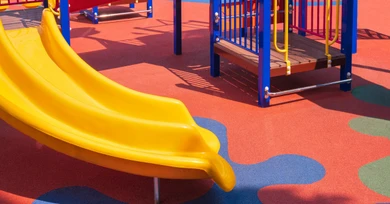
A safe playground starts from the ground up, but even the highest-quality surfaces experience wear over time. Constant foot traffic, changing weather conditions, and everyday use gradually affect playground surfacing, regardless of the material. Understanding the common causes of playground surface damage helps facility managers, schools, parks, and community organizations protect their investment while maintaining a safe environment for children.
With proper maintenance and timely repairs, playground owners can extend surface life and keep play areas at their best. Explore the common causes of playground surface damage and how Discount Playground Supply can help.
Heavy Foot Traffic Creates Everyday Wear
Every playground welcomes hundreds or even thousands of footsteps each week. Children naturally gravitate toward slides, swings, climbing structures, and entry points, creating concentrated wear patterns in these high-traffic zones. Repeated impact gradually compresses or erodes protective materials, especially around equipment that receives nonstop use.
High-use areas often show signs of damage long before the rest of the playground. Small cracks, worn spots, or thinning surfaces usually appear first near popular equipment. Routine inspections allow maintenance teams to identify these areas early and complete repairs before the damage spreads.
Weather Exposure Accelerates Surface Deterioration
Outdoor playgrounds face constant exposure to mother nature’s varying patterns. Each weather condition—rain, snow, heat, wind—affects playground surfaces differently, but the cumulative impact eventually weakens even durable materials. Moisture infiltration and ultraviolet radiation remain two of the most common contributors to long-term deterioration.
Temperature fluctuations also cause materials to expand and contract throughout the year. This natural movement may lead to small separations or cracks that grow larger if maintenance crews ignore them. Regular seasonal inspections can identify weather-related damage before it becomes a safety concern.
Water Drainage Problems Lead to Bigger Issues
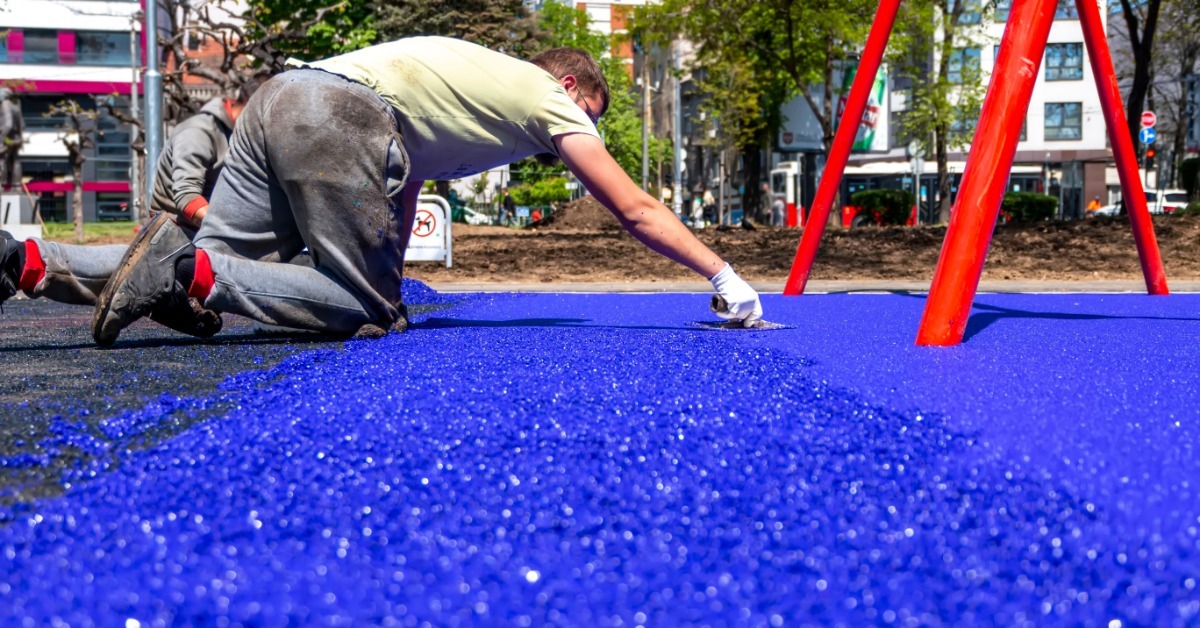
Proper drainage protects every playground surface from unnecessary damage. Standing water slowly weakens many surfacing systems while encouraging mold, mildew, algae, and erosion around the play area. Poor drainage also softens surrounding soil, allowing movement beneath the surface that may create uneven sections.
Property owners should routinely inspect drainage systems after heavy rainfall. Clogged drains, low spots, or improper grading often create recurring moisture problems that accelerate surface deterioration. Addressing drainage concerns protects the playground surface and the underlying foundation.
Improper Installation Reduces Long-Term Performance
Even premium playground materials depend on proper installation to perform as intended. Incorrect material ratios, inadequate base preparation, or poor compaction often create weaknesses that become more noticeable with time. Small installation mistakes frequently develop into expensive repairs after months or years of regular use.
Professional installation practices establish a stable foundation that supports years of safe play. When surfaces receive proper preparation from the beginning, they resist cracking, shifting, and premature wear much more effectively. Discount Playground Supply’s quality workmanship can reduce maintenance costs throughout the lifespan of the playground.
Lack of Routine Maintenance Allows Damage To Spread
Many playground owners focus on equipment inspections but overlook the condition of the safety surface beneath it. Small defects rarely remain small when maintenance gets delayed. Tiny cracks, loose edges, or minor holes often expand as weather and daily traffic continue to stress the area.
A proactive maintenance schedule protects children and the facility’s investment. Routine cleaning removes debris that traps moisture, while scheduled inspections identify developing issues before they require extensive repairs. Facilities that address problems quickly often avoid complete surface replacement for many additional years.
Regular maintenance should include the following steps:
- Inspect high-traffic areas for cracks, holes, or thinning.
- Remove leaves, dirt, and debris that hold moisture.
- Check drainage after heavy storms.
- Repair minor damage before it expands.
- Schedule seasonal inspections throughout the year.
- Follow manufacturer recommendations for surface care.
Sharp Objects and Vandalism Cause Unexpected Damage
Not every playground surface problem develops naturally. Sharp tools, bicycles with metal kickstands, maintenance equipment, vandalism, and even broken glass can puncture or cut protective surfaces. These isolated incidents often create localized damage that grows worse when left untreated.
Facility managers should respond quickly after discovering physical damage. Prompt repairs prevent water intrusion while preserving the structural integrity of the surrounding surface. Fast action also minimizes safety hazards for children using the playground.
Tree Roots and Ground Movement Affect Surface Stability
Natural ground movement presents another common challenge for playground owners. Tree roots continue to expand beneath nearby play areas, gradually lifting sections of surfacing or creating uneven transitions. Soil settlement may also occur over time, particularly if the underlying base shifts after years of use.
Regular monitoring around mature trees can identify potential problems early. If roots begin affecting the play area, property owners can often address the issue before significant surface damage occurs. Stable ground conditions remain essential for maintaining consistent impact protection.
Aging Materials Eventually Require Attention
No playground surface lasts forever. Even high-performance materials gradually lose flexibility and resilience after years of exposure to weather, sunlight, and continuous activity. Colors may fade, surfaces may become less resilient, and protective properties may slowly decline as materials age.
Many playground owners choose pour-in-place rubber surfacing because it offers exceptional durability and long-term impact protection, but even this premium system benefits from periodic maintenance and occasional repairs. Surface repair kits make it easy to restore localized damage without replacing the entire playground, helping facilities maximize the value of their original investment. Maintaining protective coatings and addressing small issues promptly keeps playgrounds looking attractive while preserving their safety performance.
Timely Repairs Preserve Safety and Appearance
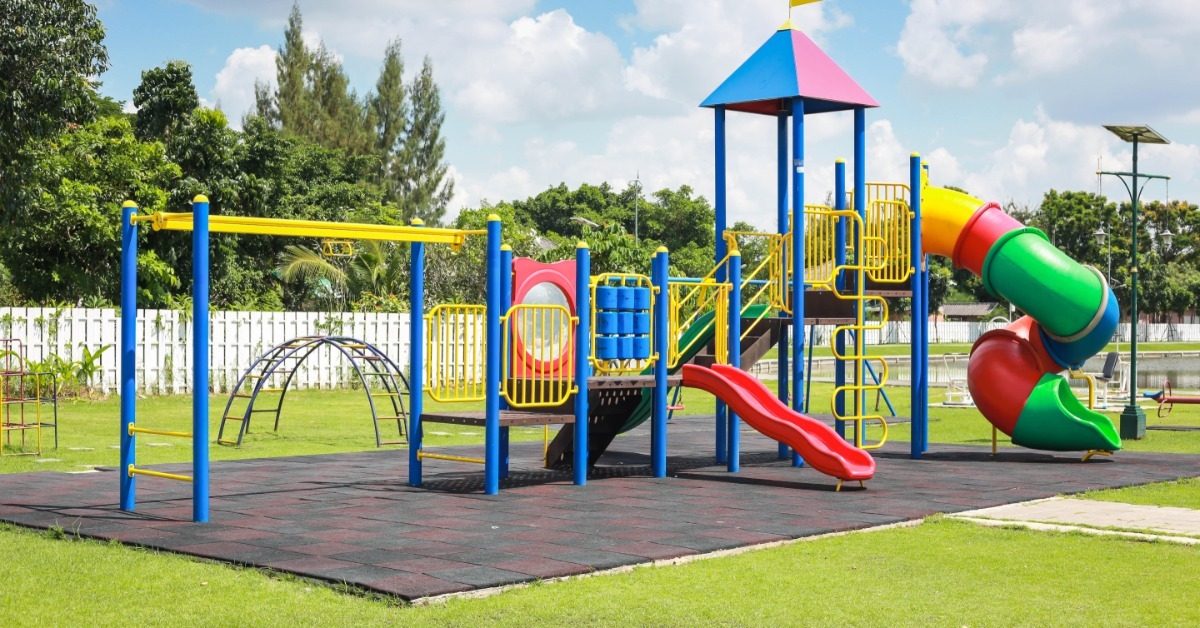
Surface damage rarely improves without intervention. Minor cracks eventually widen, worn areas continue to deteriorate, and moisture finds additional opportunities to penetrate damaged sections. Early repairs protect the surrounding material while extending the overall lifespan of the playground.
Modern repair solutions simplify routine maintenance for schools, municipalities, daycare centers, and churches. Our quality pre-measured repair kits eliminate guesswork by providing the proper blend of materials needed to restore damaged areas efficiently. Protective surface conditioners further enhance appearance while preserving vibrant colors and extending the service life of repaired surfaces.
Invest in Long-Term Playground Performance
Playground surfaces absorb tremendous stress every day while protecting children from injuries during active play. Heavy traffic, weather, drainage issues, aging materials, ground movement, and accidental damage all contribute to surface deterioration over time. Facility owners who recognize these common causes can take proactive steps that reduce repair costs and improve long-term performance.
Discount Playground Supply offers practical maintenance solutions that make playground surface damage repairs simple, effective, and affordable. From convenient Fast Patch repair kits with pre-measured materials to protective surface conditioners that restore color and extend surface life, every product supports safer, longer-lasting playgrounds. With routine maintenance and prompt repairs, playground owners can protect their investment while providing children with a safe, attractive place to play for years to come.