

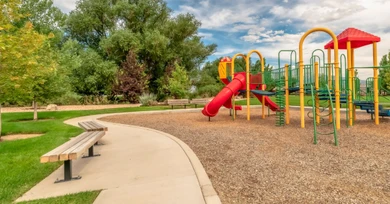
Public parks play an important role in creating active, welcoming communities where children can explore and families can spend meaningful time outdoors. However, older playgrounds may no longer offer the variety, accessibility, or engaging challenges that today’s families expect from recreational spaces. Modernizing an existing park allows communities, schools, municipalities, and property managers to improve play opportunities without necessarily replacing every element of a playground.
Strategic upgrades can introduce fresh activities and encourage children to stay active through more imaginative forms of play. Modernizing parks with updates play features offers so much more than new swings and slides—let’s explore.
Evaluate the Existing Playground Before Making Changes
Every playground modernization project should begin with a thorough evaluation of the existing space. Park managers can inspect equipment condition, identify heavily used areas, and note features that children frequently overlook. This assessment can reveal whether the playground needs replacement components or a more substantial redesign. Understanding the current environment also helps decision-makers spend their improvement budgets where upgrades can provide the greatest practical value.
An evaluation should consider more than visible wear because the way families use a park can change over time. Neighborhood demographics may shift, attendance may increase, or children may need activities that accommodate a broader range of ages and interests. Park administrators can observe play patterns and gather feedback from maintenance teams, parents, educators, or community members to identify recurring needs. These insights create a useful foundation for selecting upgrades that address real gaps instead of simply adding features without a clear purpose.
Create More Variety With Interactive Components
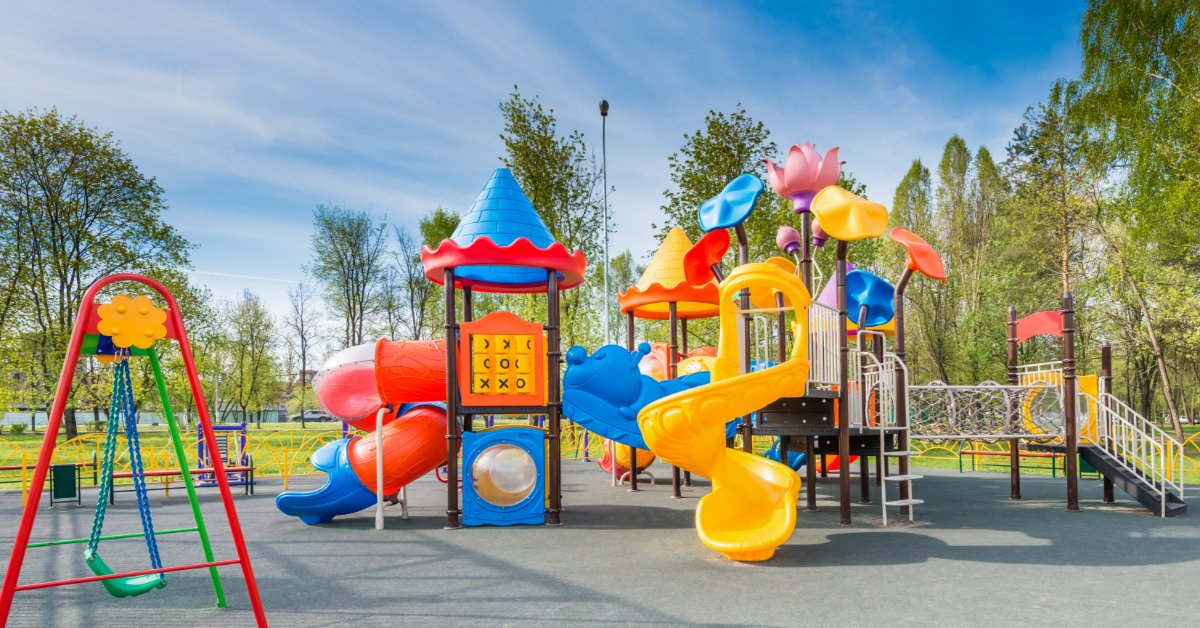
Not every playground upgrade needs to focus on climbing, sliding, or other large-movement activities. Interactive panels and activity components can introduce imaginative, social, sensory, or problem-solving experiences that complement more physically demanding features. These elements can help children engage with the playground in different ways and encourage cooperative play among friends or siblings. They also create opportunities for quieter moments between higher-energy activities.
Variety becomes especially important when a playground serves children with different interests and developmental stages. One child may immediately head toward a challenging climber, while another may prefer an interactive activity closer to ground level. Providing several types of experiences gives families more reasons to use the entire space rather than concentrating around one popular feature. Therefore, a balanced playground can feel richer and more engaging even when administrators make improvements gradually.
Use Targeted Components To Extend Playground Value
A modernization project doesn’t always require communities to remove equipment that still functions well. Targeted replacement and expansion helps parks preserve useful structures while addressing worn areas or adding new play opportunities. Choosing compatible playground parts and accessories allows administrators to focus resources on specific improvements that make an existing space more functional and appealing. This strategy can work particularly well when the primary structure remains sound but needs refreshed activities or replacement components.
As such, park managers should approach each targeted improvement with compatibility and long-term use in mind. Components need appropriate dimensions, mounting methods, hardware, and placement for the equipment they will complement. Administrators should also consider whether a new feature creates a logical path through the playground and supports the intended age group. Careful planning protects the value of existing equipment while helping every new addition contribute to a cohesive recreational space.
Plan Upgrades Around How Children Actually Play
Children rarely experience playgrounds as a collection of separate products, so planners should think about the complete play journey. A successful layout gives children natural ways to move from one activity to another while offering enough choices to prevent congestion around popular features. Designers can use elevation changes, ground-level activities, slides, climbers, and freestanding components to create several play routes. This variety supports exploration and gives children greater freedom to decide how they want to interact with the space.
Useful considerations include:
- Age ranges and developmental needs of regular playground users
- Condition and remaining usefulness of existing equipment
- Opportunities for climbing, sliding, balancing, and imaginative play
- Accessibility and ground-level activity options
- Compatibility between new components and current structures
- Available use zones and overall playground traffic patterns
- Inspection, maintenance, and replacement requirements
Choose Components With Long-Term Use in Mind
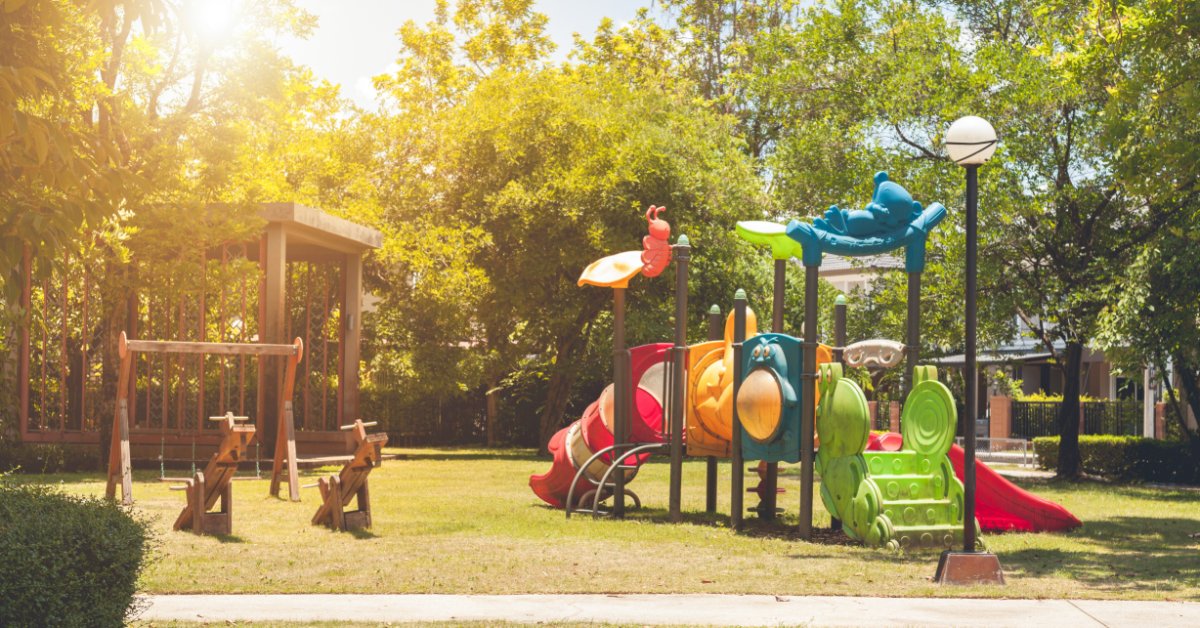
Modernizing parks with updated play features should improve the space for more than a single season, so durability and practical maintenance deserve careful consideration. Public playground components often face frequent use, changing weather, and demanding outdoor conditions throughout the year. Administrators should select equipment suited to the intended environment and follow appropriate installation and maintenance practices. Quality components can help communities maintain an inviting recreational space while reducing the disruption that frequent replacements can create.
Discount Playground Supply offers a wide selection of components for administrators who want to refresh, repair, or expand existing playgrounds. Options like standalone slides, attachment slides, activity elements, and other play structure components can help communities introduce new experiences while preserving useful equipment. Selecting features according to compatibility, function, safety considerations, and user needs helps create upgrades that make practical sense. A thoughtful purchasing process gives parks a stronger foundation for serving active families over the long term.
Creating a Better Park Through Thoughtful Updates
Discount Playground Supply helps schools, municipalities, parks, and other organizations find components that support practical playground improvements. A well-planned update can preserve useful equipment while introducing activities that make the entire space feel more engaging and current. Administrators who consider durability, compatibility, and maintenance can make more confident purchasing decisions. The result gives children more reasons to get outside and return to their neighborhood playground.
Frequently Asked Questions
Can a Park Modernize a Playground Without Replacing Everything?
Yes, many parks can update existing playgrounds with compatible slides, activities, replacement components, and freestanding features. Administrators should first inspect the existing equipment and determine which elements still provide safe, useful service.
What Features Can Make an Older Playground More Engaging?
Climbers, slides, interactive activities, and movement-based challenges can add variety to an older playground. The best choices address experiences that the existing space currently lacks.
What Should Buyers Check Before Ordering New Components?
Buyers should confirm dimensions, mounting requirements, age recommendations, available space, and compatibility with existing structures. They should also consider installation, maintenance, and long-term durability before making a final selection.
Can Playground Modernization Happen in Phases?
Yes, a phased approach can help organizations work within available budgets while addressing important needs first. A clear long-term plan ensures that each new improvement contributes to a cohesive playground.