

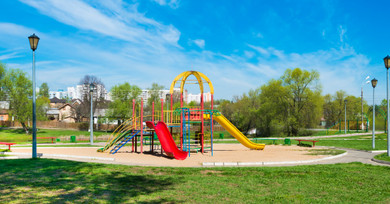
Playset borders create a defined perimeter around playground surfacing while giving the finished play area a clean, organized appearance. However, proper installation starts well before crews place the first border section into position. Site conditions can affect alignment, drainage, accessibility, surfacing containment, and long-term maintenance.
Careful preparation helps schools, parks, property managers, and homeowners build safer and more functional play spaces. Discount Playground Supply discusses several site prep essentials before installing playset borders to help you create a safe, functional space.
Measure the Play Area Carefully
Accurate measurements can determine how many border sections, connectors, and related components a project requires. Measure the complete perimeter while accounting for corners, entrances, ramps, pathways, and irregular sections. Create a simple site sketch that shows equipment locations and the proposed border path. This preparation can prevent material shortages and unnecessary adjustments during installation.
Check Ground Conditions
Playground borders need stable ground to maintain proper alignment over time. Inspect the proposed perimeter for soft soil, rocks, roots, construction debris, and other obstacles before installation begins. Remove loose materials and correct unstable areas that could cause individual sections to settle or shift. Avoid cutting significant tree roots without considering how that action could affect nearby trees.
Address Playground Drainage
Water can wash away loose surfacing, create muddy entrances, and contribute to maintenance problems. Look for low areas, downspouts, compacted soil, or nearby pavement that directs runoff toward the playground. Consider how water will move once borders and surfacing occupy their final positions. Larger drainage problems may require professional site improvements before playground installation continues.
Confirm Border Placement
Border placement should account for more than the visual shape of the playground. Review equipment manufacturer information and applicable requirements to maintain appropriate spaces around swings, slides, climbers, and other play components. A properly positioned playground barrier can contain loose-fill surfacing without interfering with normal movement throughout the play environment. Consider how children will enter, exit, run, and travel between equipment when establishing the perimeter.
Prepare the Installation Path
Mark the entire border path with string lines, stakes, or other appropriate layout tools before digging. Remove grass, weeds, loose organic matter, and debris that could prevent individual sections from sitting properly. Walk around the marked perimeter and check its relationship with equipment, landscaping, sidewalks, and other nearby features. Making adjustments now requires much less work than repositioning borders after installation.
Before work begins, gather essential project materials, such as:
- Playground border sections and compatible connectors
- Manufacturer-specified stakes and hardware
- Measuring, marking, and leveling tools
- Appropriate digging and ground-preparation equipment
- Wheelchair ramps or accessible entry components
- Playground surfacing for the completed area
Plan for Accessible Entrances
Accessibility deserves attention during initial site planning rather than after border installation. Determine where accessible pathways will enter the playground and incorporate appropriate ramps or transitions into the perimeter. Consider how these entrances connect with sidewalks, surfacing, and nearby equipment. Review applicable accessibility requirements when developing school, municipal, commercial, or other public playground projects.
Prepare Today for Better Play Tomorrow
Good site prep supports cleaner installation and more functional playset borders. Measuring carefully, checking soil, correcting grade issues, planning drainage, and considering accessibility can prevent avoidable problems later. These steps also help borders contain surfacing and complement the overall playground layout. With proper preparation and dependable materials, communities can create inviting play areas ready for years of activity.