

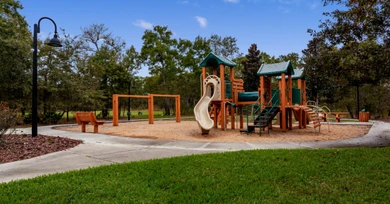
A well-designed playground requires more than exciting equipment and attractive landscaping to support safe outdoor recreation. The protective surface beneath climbing structures, slides, and swings plays an important role in reducing injury risks. Understanding why border height matters for playground surfacing helps property owners maintain appropriate surface depth and create more functional play areas.
Proper border selection also supports routine maintenance and keeps loose-fill materials within their intended boundaries. Discount Playground Supply is helping you determine the purpose and best practices for playground surfacing.
The Purpose of Playground Borders
Playground borders define the boundaries of recreational areas and contain protective surfacing materials. These edging systems commonly surround spaces that use engineered wood fiber, rubber mulch, or other loose-fill products. Without adequate containment, normal playground activity can gradually displace material into surrounding grass or walkways. Properly installed borders help facilities maintain a more organized play environment while reducing unnecessary material loss.
Border systems also contribute to the playground’s overall layout and visual appearance. Clearly defined boundaries can distinguish active play zones from adjacent landscaping and pedestrian areas. However, border installation must account for accessibility, drainage, and appropriate surfacing depth. A border alone cannot guarantee playground safety without a properly designed and maintained protective surface.
How Border Height Affects Surface Depth
Loose-fill playground surfacing requires sufficient depth to provide the impact attenuation that its manufacturer specifies. Border height can determine how much material the playground can contain without excessive overflow. A border that sits too low may allow surfacing to escape as children run, jump, and play. Over time, this displacement can reduce material depth in areas where children frequently land.
Moreover, the required depth depends on the surfacing material, equipment fall height, and applicable performance requirements. Facilities should follow manufacturer specifications and relevant playground safety guidance rather than rely on a universal depth recommendation. Some materials also compact or settle after installation, creating a need for periodic replenishment. Selecting an appropriate border height can accommodate these practical maintenance considerations.
Why Inadequate Border Height Creates Problems
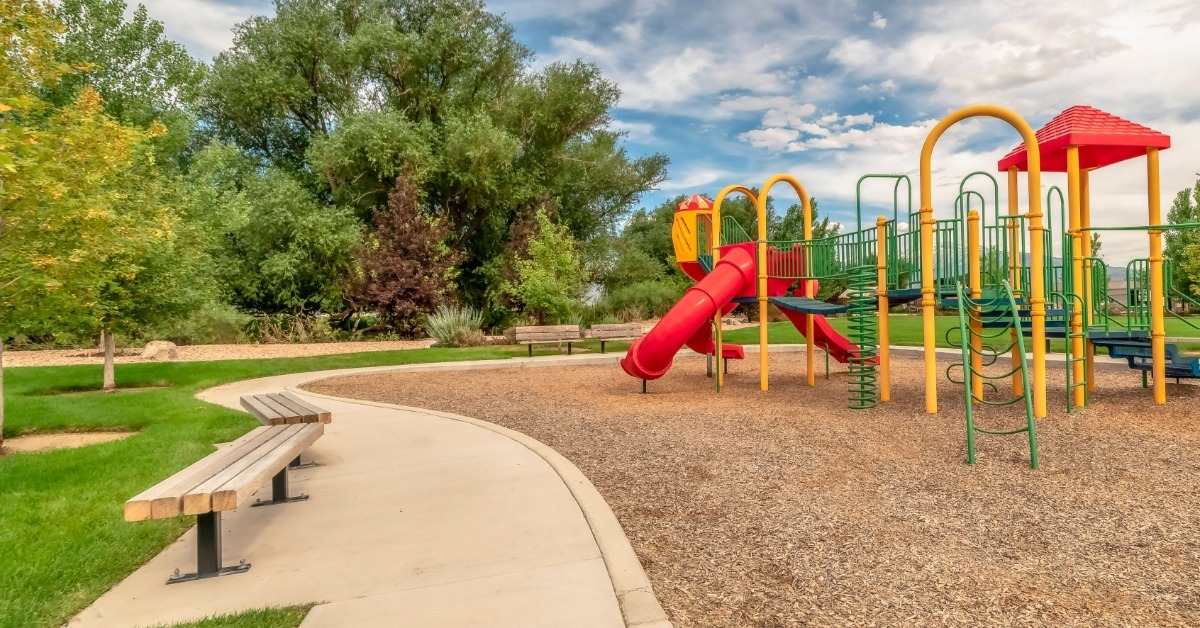
Insufficient border height can contribute to ongoing maintenance challenges and uneven surfacing conditions. Loose-fill materials may migrate beyond the playground perimeter during active use or heavy rainfall. Maintenance crews must then redistribute or replace material to restore appropriate coverage. These recurring tasks can increase operating costs and create avoidable interruptions.
Conversely, insufficient surfacing depth can compromise the impact protection that the playground design requires. Areas beneath swings, at slide exits, and around frequently used climbing features often experience significant displacement. A well-designed border can retain material, although regular raking and depth inspections remain essential. Playground operators should address depleted areas promptly rather than depend on perimeter containment alone.
Choosing the Appropriate Border Height
Selecting the correct border height requires evaluating the playground’s surfacing system and overall design. The intended loose-fill depth provides an important starting point, but other conditions influence the final configuration. Installers must also consider ground elevation, drainage, accessibility, and the manufacturer’s installation requirements. A thoughtful approach can prevent unnecessary modifications after the playground opens.
Several factors deserve attention during the selection process, including:
- Surfacing material: Different loose-fill products have distinct depth and maintenance requirements.
- Equipment fall height: Protective surfacing must meet applicable impact performance requirements.
- Expected compaction: Some materials settle over time and require replenishment.
- Site grading: Uneven ground can affect containment and drainage.
- Accessibility: Entry points must accommodate appropriate accessible routes and transitions.
- Maintenance needs: Border design should support efficient inspections and material replacement.
The abovementioned considerations help playground owners choose edges that complement the entire recreational space. A properly selected playset border can support material containment while creating a clean perimeter around equipment. However, border height should never substitute for verifying the surfacing system’s actual protective performance. Professional planning helps facilities address these requirements before installation begins.
How Border Height Influences Playground Accessibility
Accessible playground design requires careful attention to routes, entry points, and changes in surface elevation. Raised borders can create obstacles when they interrupt accessible pathways into recreational areas. Appropriate transitions and compatible access ramps help users with mobility devices enter designated play spaces. However, accessibility depends on the complete route and surfacing system rather than the presence of a ramp alone.
Playground owners should review applicable accessibility requirements when planning new installations or renovations. The Americans with Disabilities Act establishes relevant accessibility standards for covered public play areas. Accessible routes must also connect appropriate play components and provide compliant surfaces. Integrating these considerations early can create more inclusive environments without compromising surfacing containment.
Installation Mistakes That Reduce Border Effectiveness
Improper installation can undermine the benefits of even high-quality playground border products. Uneven alignment, inadequate anchoring, and poorly connected sections may create gaps or unstable edges. These problems can allow surface material to escape and introduce additional maintenance concerns. Following the manufacturer’s installation instructions can reduce avoidable complications.
Installers should also evaluate underground conditions and confirm appropriate placement before securing border sections. Poor drainage or unstable soil may require additional site preparation to support long-term performance. Entry points deserve particular attention because they must accommodate accessibility and surface containment. Careful installation creates a stronger foundation for effective playground maintenance.
Maintaining Playground Borders Over Time
Playground borders require periodic inspections to ensure they remain secure and functional. Grounds and maintenance crews should check for loose connections, damaged sections, protruding hardware, and changes in surrounding soil conditions. They should also monitor whether the contained surface maintains its required depth throughout the play area. Addressing problems early can prevent minor defects from developing into larger maintenance issues.
Maintenance schedules should reflect playground traffic, seasonal conditions, and the specific products in use. High-activity areas may require more frequent attention than smaller residential play spaces. Operators should document recurring issues and replace damaged components according to manufacturer recommendations. Consistent inspections can preserve the border system’s functionality throughout its service life.
Find Reliable Playground Borders at Discount Playground Supply
Appropriate border height helps playground owners contain loose-fill surfacing and maintain organized recreational spaces. Selecting the right configuration requires attention to material depth, accessibility, site conditions, and ongoing maintenance. Rubber and recycled plastic options offer practical solutions for different playground designs. Thoughtful planning supports safer play environments while helping facilities manage long-term maintenance expenses.
Discount Playground Supply offers playground borders and related accessories for residential, school, and community recreation areas. Our selection includes rubber and recycled HDPE options that define play spaces and retain protective materials. Explore our available border systems and wheelchair access ramps to find products that complement your playground project.